
Why Is My Fruit Tea Bitter? How to Check the Ingredients and Brew
Why is my fruit tea bitter? Start by separating bitterness from sourness and dryness, then check the exact blend and brew one new cup as directed.


Why is my fruit tea bitter? Start by separating bitterness from sourness and dryness, then check the exact blend and brew one new cup as directed.

Yes, you can add washed, freshly cut fruit to tea. Learn what it may change, why its flavor can remain subtle, and how to handle the finished drink.
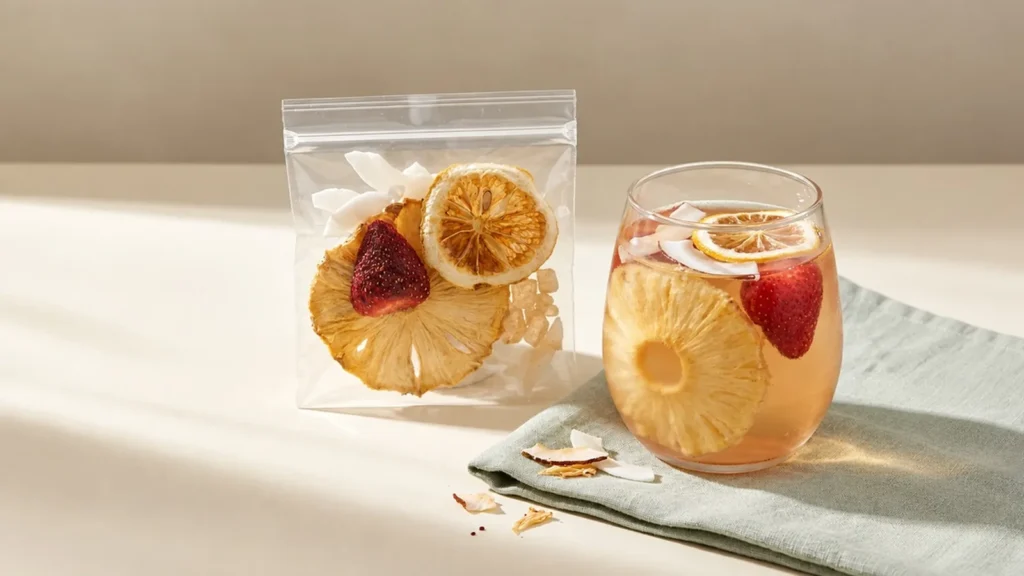
New to fruit tea? Learn how Cozyslip’s five-serving trial works, compare one-flavor and Surprise Mix options, and review the price and eligibility terms before ordering.

Cozyslip fruit tea is designed for one balanced brew with its supplied rock sugar. A second brew is an optional personal experiment, not a promised serving.

Why fruit tea tastes sour depends on more than one ingredient. Learn how citrus, passion fruit, water, sweetness, and preparation shape tartness in the finished cup.

Fruit tea does not have one correct color. Learn why a cup may look pale, dark, or cloudy—and how to check it without confusing color with flavor, quality, or safety.

Fruit tea can smell vivid before the first sip yet taste unexpectedly light. Learn why aroma, taste, and flavor differ—and how to troubleshoot a weak cup one variable at a time.

Cold brew and iced fruit tea may look alike, but they begin with different water temperatures. Use this practical comparison to choose the method that fits your blend and schedule.

The 2026 beverage trends report points to more beverage-only occasions, especially among younger consumers. Here is what that means—and does not prove—for an afternoon fruit tea break.
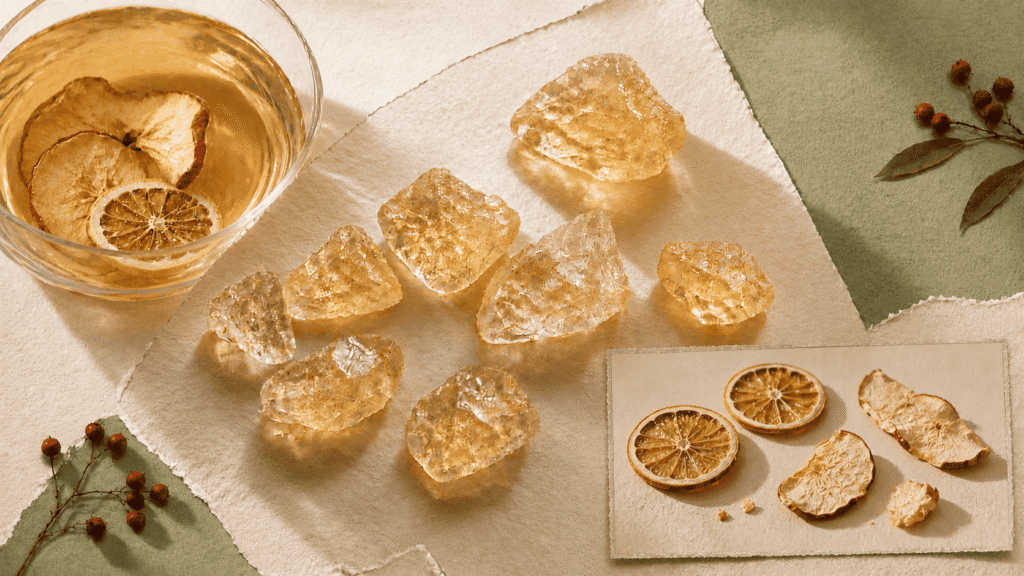
Rock sugar is crystallized sugar used as a sweetener. Learn what it means on a fruit tea label, how it behaves in hot and cold water, and what it does not prove.