

Why Is My Fruit Tea Bitter? How to Check the Ingredients and Brew
Steep. Sip. Slip into your mood.
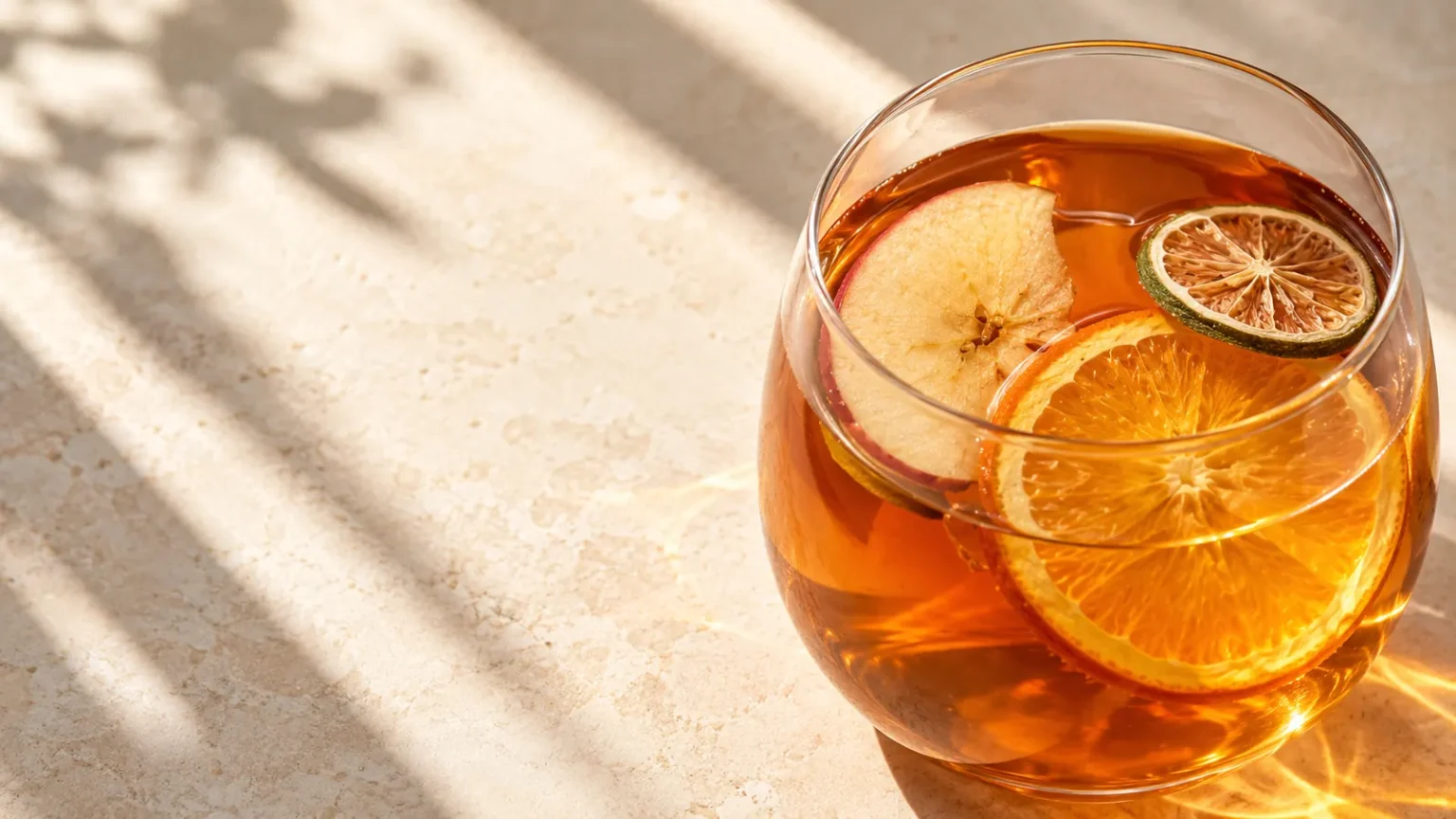
Why is my fruit tea bitter? There is no single answer for every blend. First decide whether the cup tastes bitter, sharply sour, or dry and puckering. Then check the actual ingredients and preparation directions before changing the next cup. Dried fruit, citrus, herbs, sweetener, and true tea do not behave identically in water.
- Bitterness, sourness, and astringency are different sensations, even when they overlap.
- Citrus ingredients can contribute tartness or bitterness, but an ingredient name alone cannot identify the cause in a finished cup.
- A fruit-only infusion and a blend with black or green tea require different brewing checks.
- For the next cup, follow the exact product directions first; change only one variable if you want to compare results.
First, Name the Taste You Mean
Sour usually feels sharp and tangy. Bitter is a different taste that may linger after a sip. Astringent describes a drying or puckering feeling in the mouth. A cup can have more than one of these sensations, and people may use “bitter” as a shorthand for any of them.
If your drink is mainly sharp and tart, our guide to why fruit tea tastes sour is the better starting point. This article focuses on bitterness and the steps that help you investigate it without guessing.
Read the Blend, Not Just the Flavor Name
Fruit tea is not one recipe. Some products are fruit-and-botanical infusions. Others combine fruit with true tea leaves or a separate black or green tea bag. Read the complete ingredient list and the directions for the serving you are preparing.
If the Blend Contains Citrus
Citrus can bring more than a bright, sour note. Research on citrus fruit and juice identifies compounds associated with bitterness, including limonin and naringin. Their presence and concentration vary by fruit part and preparation. That research does not tell us how much of either compound is in a brewed Cozyslip cup, or prove that citrus is the reason your cup tastes bitter.
Use the ingredient list as a clue, not a diagnosis. A lemon, orange, kumquat, or grapefruit name on a label cannot predict the exact taste of a complete blend.
If the Blend Contains True Tea
Black, green, white, and oolong tea come from the tea plant. Tea-leaf infusions can change with brewing conditions; published studies have examined how time and temperature affect extraction and sensory results. Those findings are about the teas studied, not a universal rule for every fruit blend. Check whether your package gives separate guidance for a tea bag or for the full serving, and follow that product-specific direction.
If you also want to understand caffeine, read our ingredient-based fruit tea caffeine guide. A fruit flavor name alone cannot answer the caffeine question either.
A Three-Step Check for the Next Cup
- Make the baseline cup. Use one complete serving, the labeled water amount, and the product’s stated method. Do not assume a brewing time from another brand or a different Cozyslip blend.
- Describe what you notice. Is the first sip tart, is there a lingering bitter taste, or does the mouth feel dry? Note whether the sensation is present immediately or becomes more noticeable as you drink. This is an observation, not proof of a chemical cause.
- Change one variable only. If the product directions allow flexibility, make a second cup with one controlled change, such as water amount or steeping time. Keep the serving and all other steps the same, then compare. Do not turn an untested adjustment into an official Cozyslip recommendation.
If the first cup used a different water amount, extra ice, altered steeping time, and less sweetener, changing all four again will not reveal which one mattered. A small one-variable comparison is more useful than a “perfect” universal recipe.
Should You Add More Sugar?
Sweetness may change how bitterness is perceived, but adding sugar does not identify its cause. When a serving includes a separate rock-sugar portion, follow the instructions for that exact product first. Cozyslip’s intended first-cup balance should not be described as “best without the included sugar.” You can choose less sweetness for personal preference, while recognizing that the cup may taste lighter or sharper than the intended version.
Do not keep adding sweetener to cover a drink that has an unusual odor, visible spoilage, or a damaged package. Stop and check the product condition instead.
What This Guide Cannot Tell You
Without testing your exact blend, its water amount, and its brewing conditions, no article can tell you that one specific fruit piece or one tea bag caused a bitter cup. Citrus research and tea studies provide useful background; they are not measurements of a Cozyslip serving. If you notice the same unexpected result repeatedly when following the package directions, record the product name and preparation details and contact Cozyslip.
Frequently Asked Questions
Can steeping too long make fruit tea bitter?
It may change the taste of some blends, especially those containing true tea, but the result depends on the formula. Follow the exact product’s directions before changing the time.
Can citrus peel make a tea taste bitter?
Citrus fruit parts can contain bitter compounds. The ingredient list alone cannot prove that citrus caused bitterness in a particular brewed cup.
Is bitter fruit tea the same as sour fruit tea?
No. Sour is sharp and tangy; bitter is a different taste, while astringent describes a drying feeling. They can appear together, so describe the cup before changing the brew.
Will extra sugar fix a bitter cup?
It may change your perception of the drink, but it does not identify the cause. Start with the product’s intended serving and included sweetener instructions, then adjust only for personal preference.
Bottom Line
A bitter fruit tea is a question to investigate, not a one-ingredient diagnosis. Separate bitterness from sourness and dryness, read the full blend, prepare one cup as directed, and make only one change at a time if you compare. For the broader ritual and product-specific starting method, see How to Make Fruit Tea; always follow the current package when instructions differ.
Sources and Evidence Notes
- Reddit r/tea — New to tea and Fruit tea — how to make it the sweetest possible: consumer questions only, not product or scientific evidence.
- Study of green-tea brewing conditions and sensory acceptance: context for true-tea extraction, not a test of this product.
- Study measuring bitter components in citrus juice: background for limonin and naringin, not a measurement of a fruit-tea infusion.